

How to Make a New Build Feel Custom
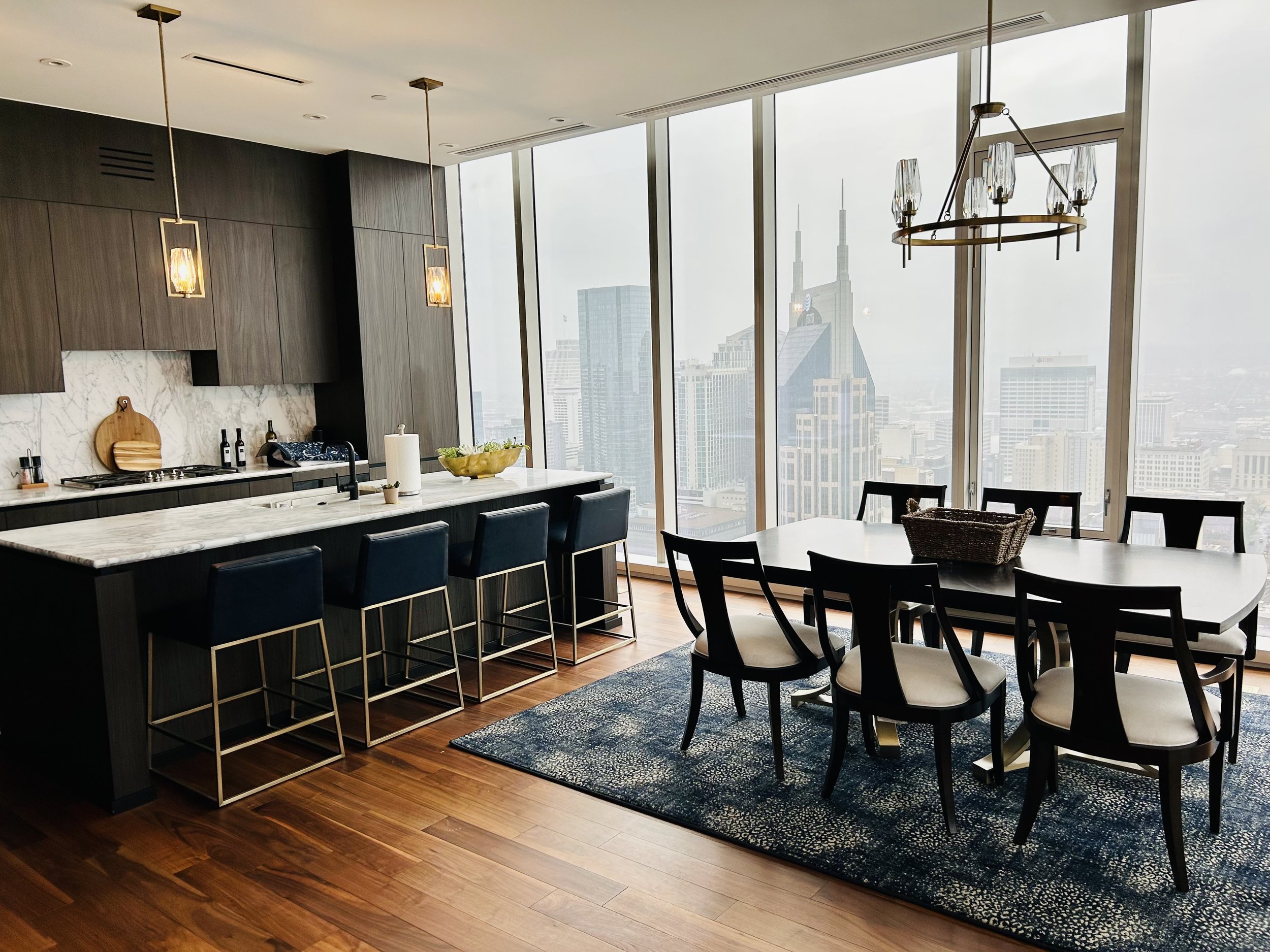
One of the most common things homeowners notice after moving into a newly built home is that something still feels unfinished, even when everything is technically complete.
The layout may be beautiful. The materials may be high quality. But without layering, texture, contrast, and detail, many homes can still feel a bit too clean, flat, or uniform.
What’s interesting is that creating a more custom feel often has less to do with a major renovation and more to do with intentional design decisions. The homes that feel elevated and memorable are rarely the ones filled with the most expensive finishes everywhere. More often, they’re the homes where materials, lighting, texture, and architectural details have been considered together in a thoughtful way.
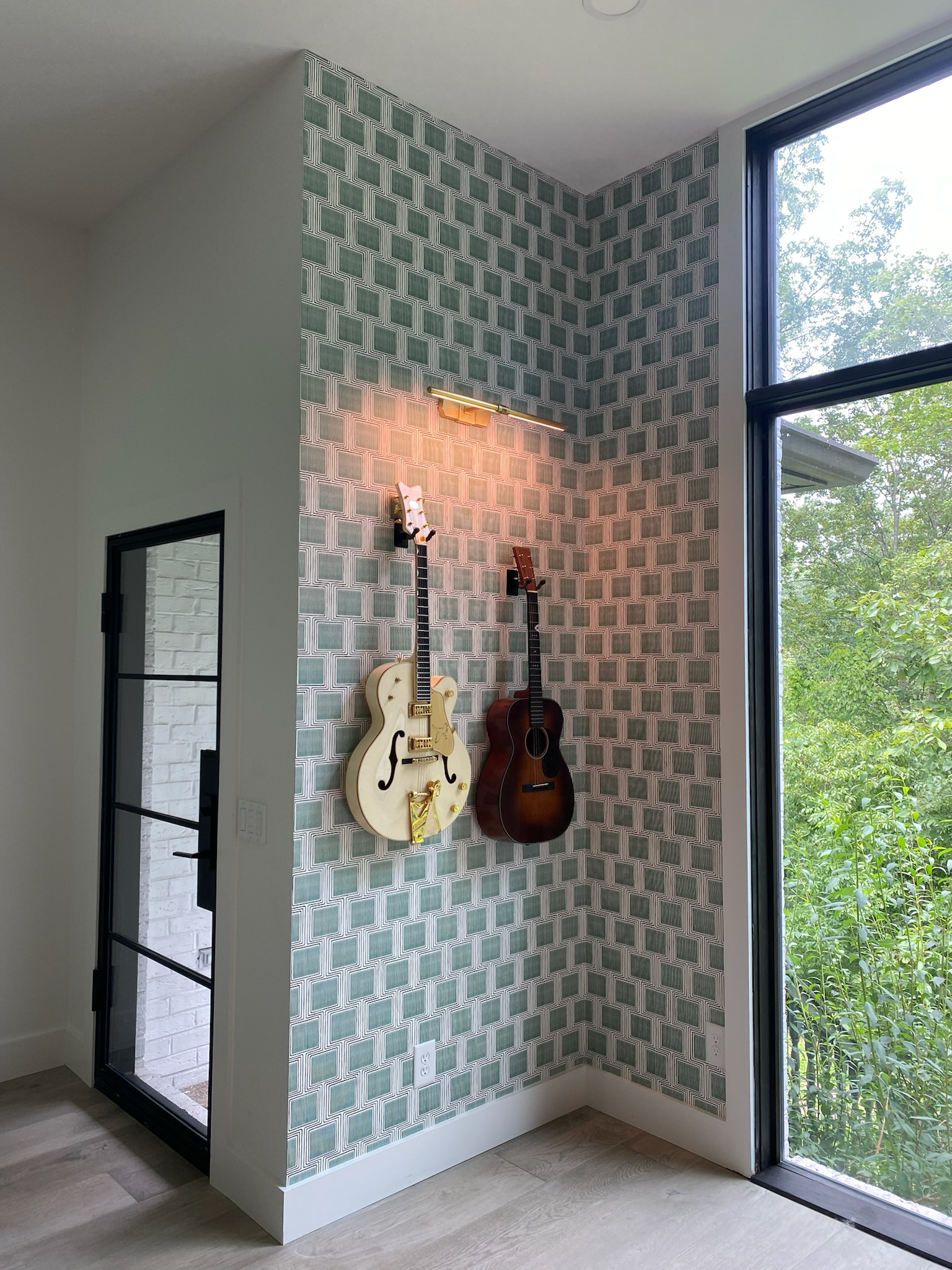
Custom homes are rarely defined by excess — they’re defined by detail.
One of the easiest ways to soften a builder-grade feel is through texture. Flat walls and uniform finishes can leave even beautifully designed spaces feeling a bit sterile or incomplete. Materials like wallpaper, limewash, Roman clay, and layered paint finishes introduce movement, softness, and variation that help a home feel more architectural and lived-in.
The same idea applies to millwork and trim details. Often, it’s not simply the addition of moulding or built-ins that changes the feel of a space, but the way those elements are finished. A carefully painted trim package or thoughtfully finished built-in can completely shift the perception of quality within a room, whether through soft matte finishes that feel warm and organic or higher-sheen finishes that create contrast and depth.
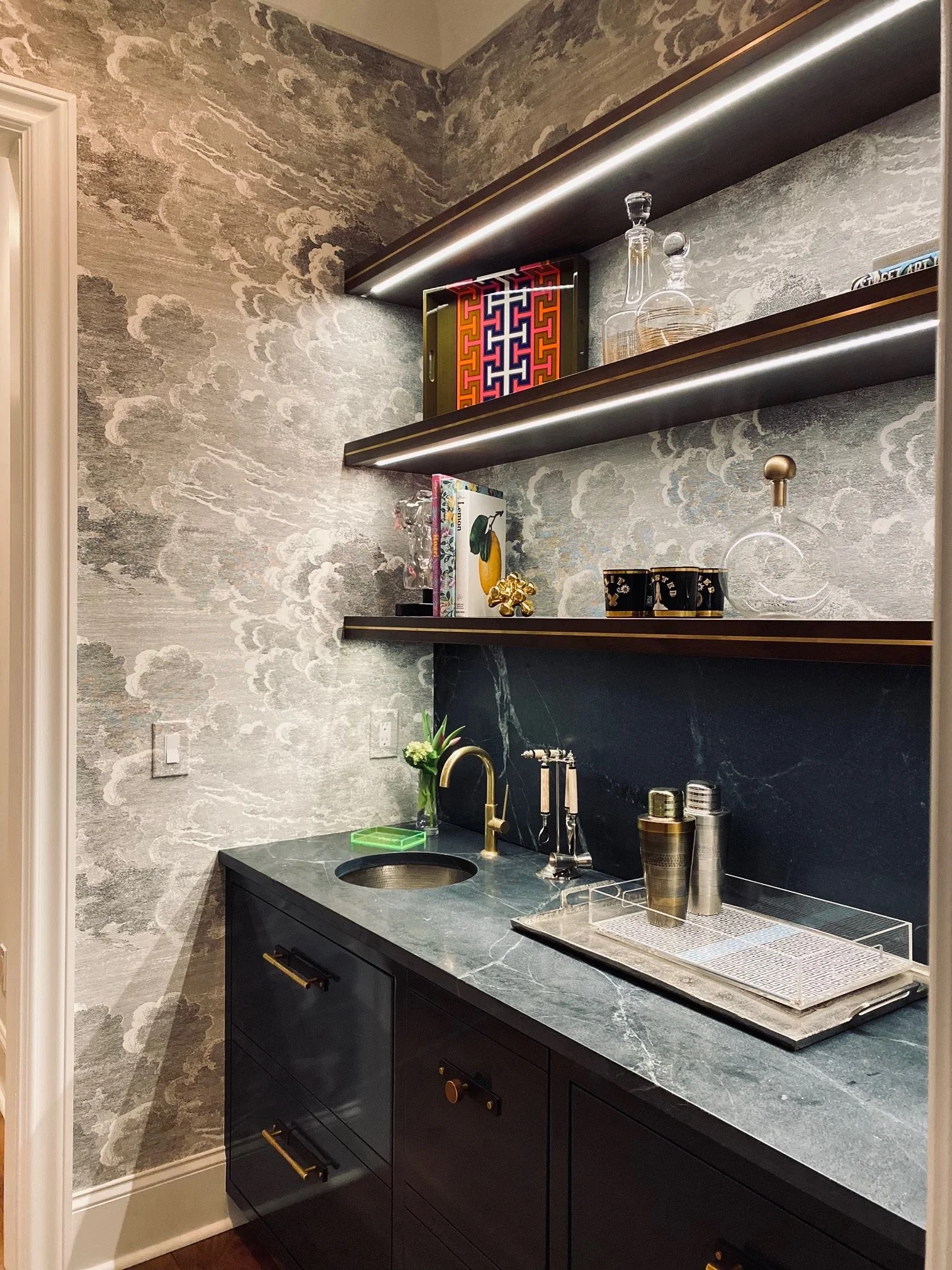
What ultimately brings these elements together, however, is lighting.
Natural light, sconces, decorative fixtures, and layered accent lighting all influence the way texture and architectural details are experienced throughout the day. A softly textured dining room paired with warm lighting can feel dramatically different from the same room finished with flat walls and overhead lighting alone.
And in many cases, creating that custom feel does not require redesigning an entire home all at once. Sometimes a thoughtfully finished study, upgraded trim details in a primary suite, or even a single statement wall is enough to introduce warmth, character, and depth throughout the home without overwhelming the space.
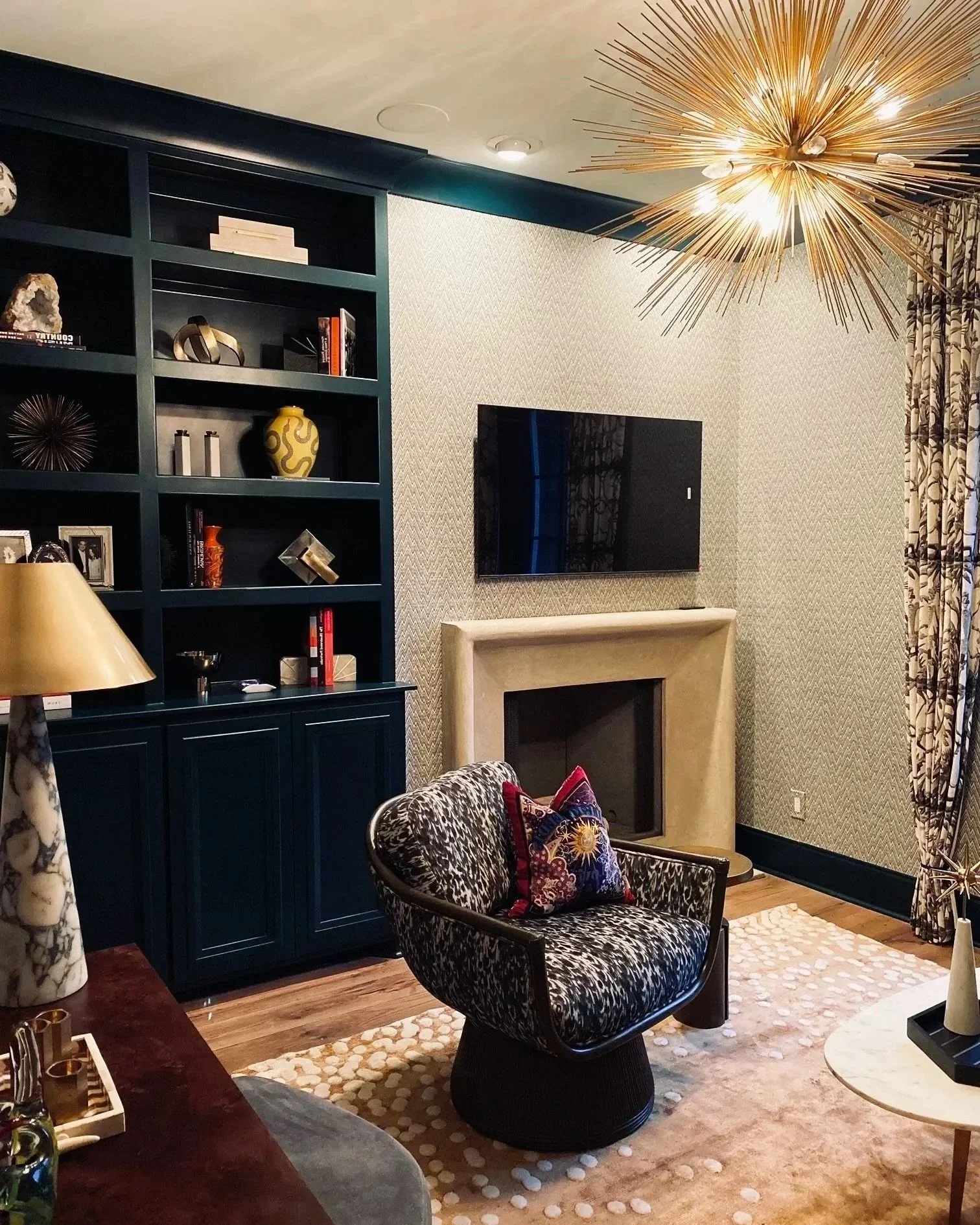
Often, it’s the combination of subtle details that transforms the overall feeling of a home.
Our Perspective
We’re seeing more homeowners move away from overly simplified interiors and back toward spaces with dimension and detail — whether through panel moulding, ceiling treatments, built-ins, or upgraded trim profiles.
Color palette also plays a larger role than many homeowners initially realize. We’re continuing to see a shift away from cooler gray interiors and sharp contrast toward warmer neutrals, softer whites, earthy tones, and layered palettes that feel more personal, natural, and timeless.
As we continue into 2026, we expect homeowners to become increasingly focused on creating interiors that feel individualized rather than purely trend-driven. Spaces that feel layered, architectural, and connected to the people living in them are continuing to replace interiors that feel overly polished or uniform.
And honestly, we think that shift is long overdue.
The homes that leave the strongest impression are usually not the loudest ones. They’re the spaces where every finish feels intentional, every material feels balanced, and every detail contributes to the overall atmosphere of the home.
That’s ultimately what makes a home feel custom — not simply the materials themselves, but the way they work together to create a home that feels thoughtful, warm, and complete.