

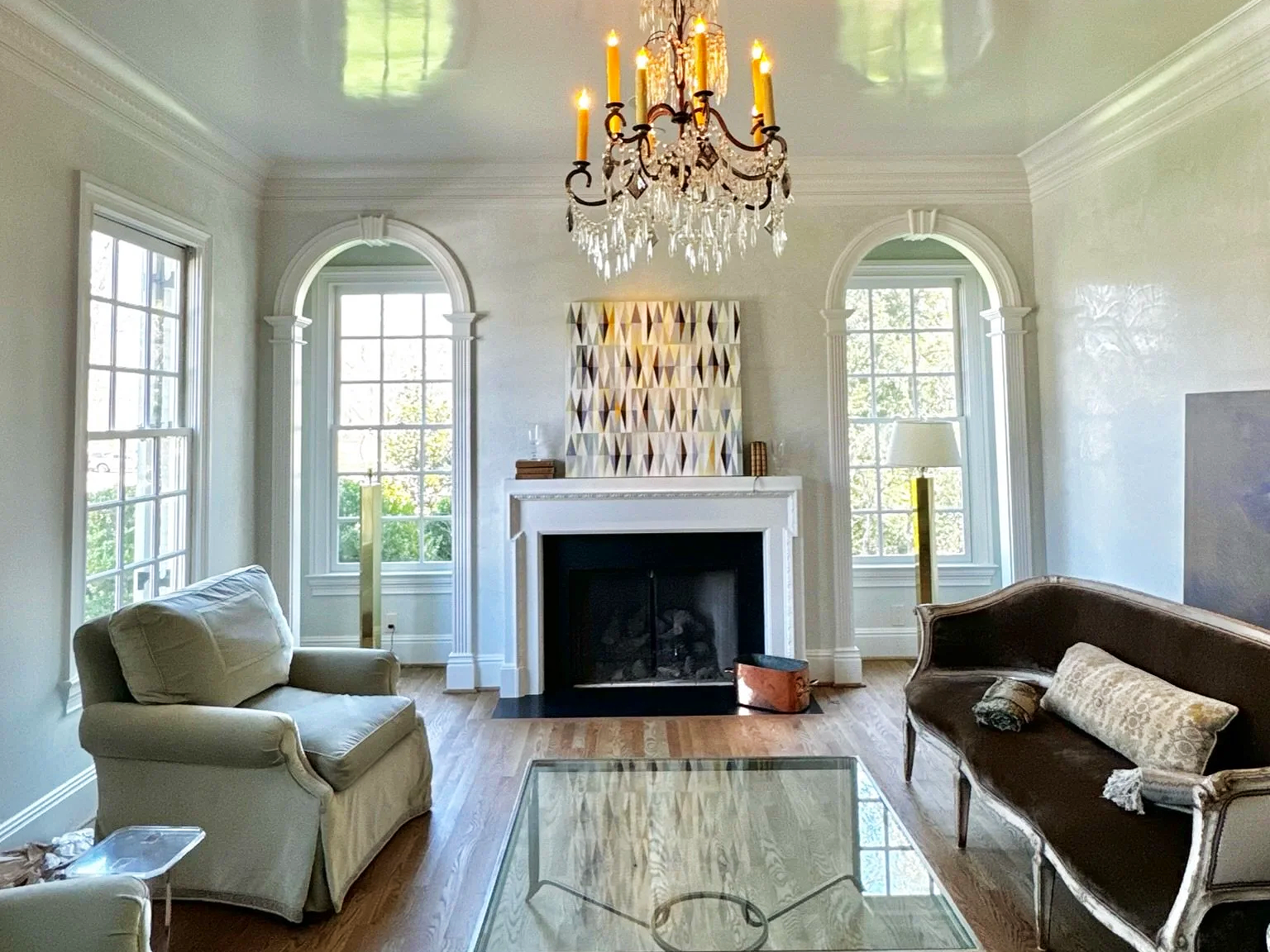
Some finishes simply cover a surface. Others completely change the way a room feels.
Venetian plaster falls into the second category.
Homeowners and designers alike are placing greater emphasis on the surfaces that shape a space, not just the furnishings that fill it. Venetian plaster has become part of that conversation because of its ability to bring depth, movement, and character to a room without relying on pattern or ornamentation.
While the material itself has existed for centuries, the way it is being used today feels remarkably current. Rather than appearing ornate or overly traditional, modern Venetian plaster is increasingly being used to create softness, depth, and atmosphere within contemporary interiors.
The result is a finish that feels both timeless and relevant — rooted in craftsmanship, yet perfectly at home in today's interiors.
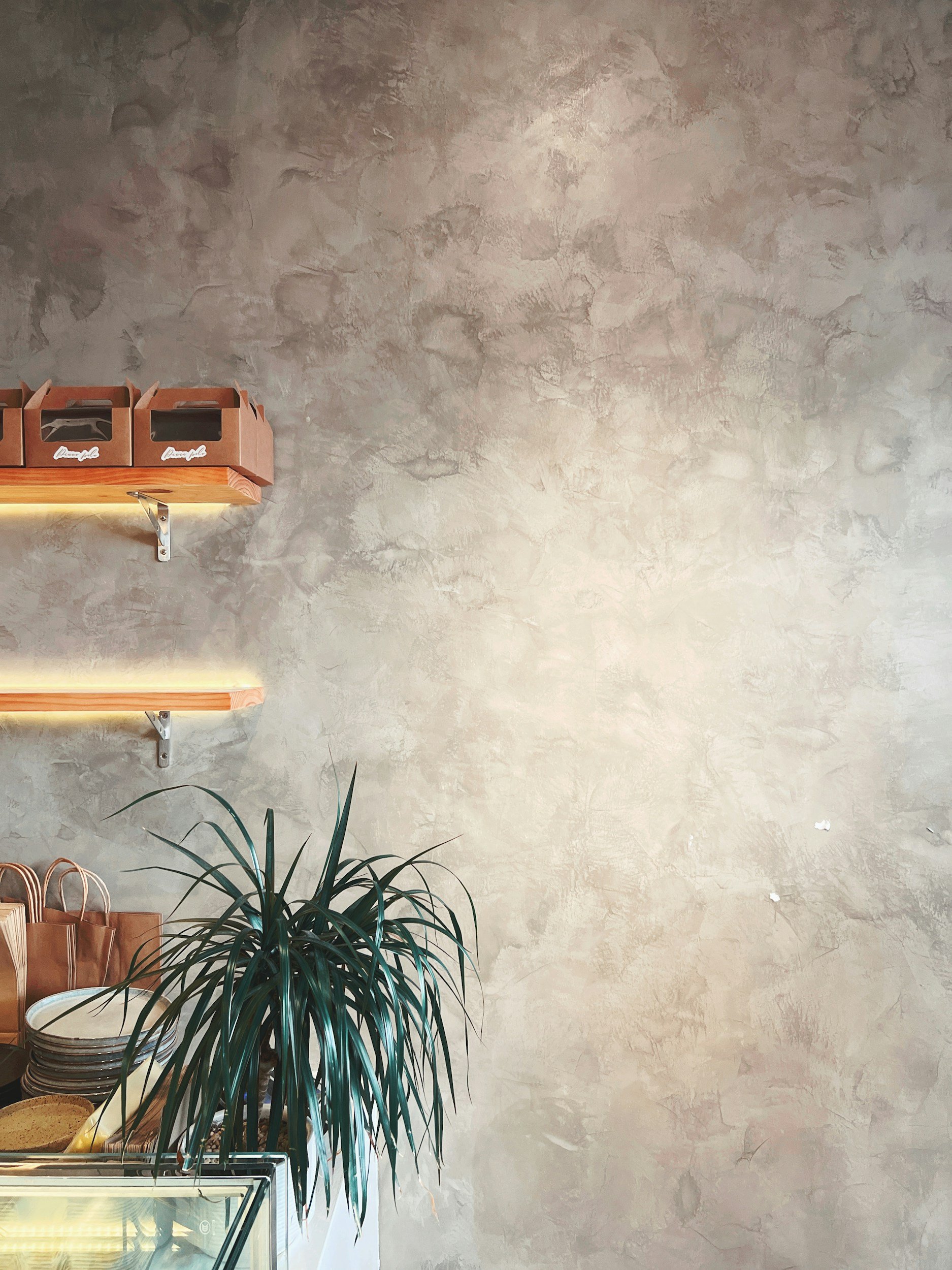
Some finishes decorate a room. Others shape the atmosphere of it.
Venetian plaster traces its origins back centuries, with variations of the finish used throughout ancient Rome and later refined by Venetian artisans who sought a way to create depth, durability, and beauty using natural materials. While countless design trends have come and gone since then, the appeal of Venetian plaster has remained remarkably consistent.
Perhaps that's because the finish offers something many homeowners are searching for today: character without excess. It brings richness to a space without relying on visual complexity, allowing the architecture, lighting, and surrounding materials to take center stage.
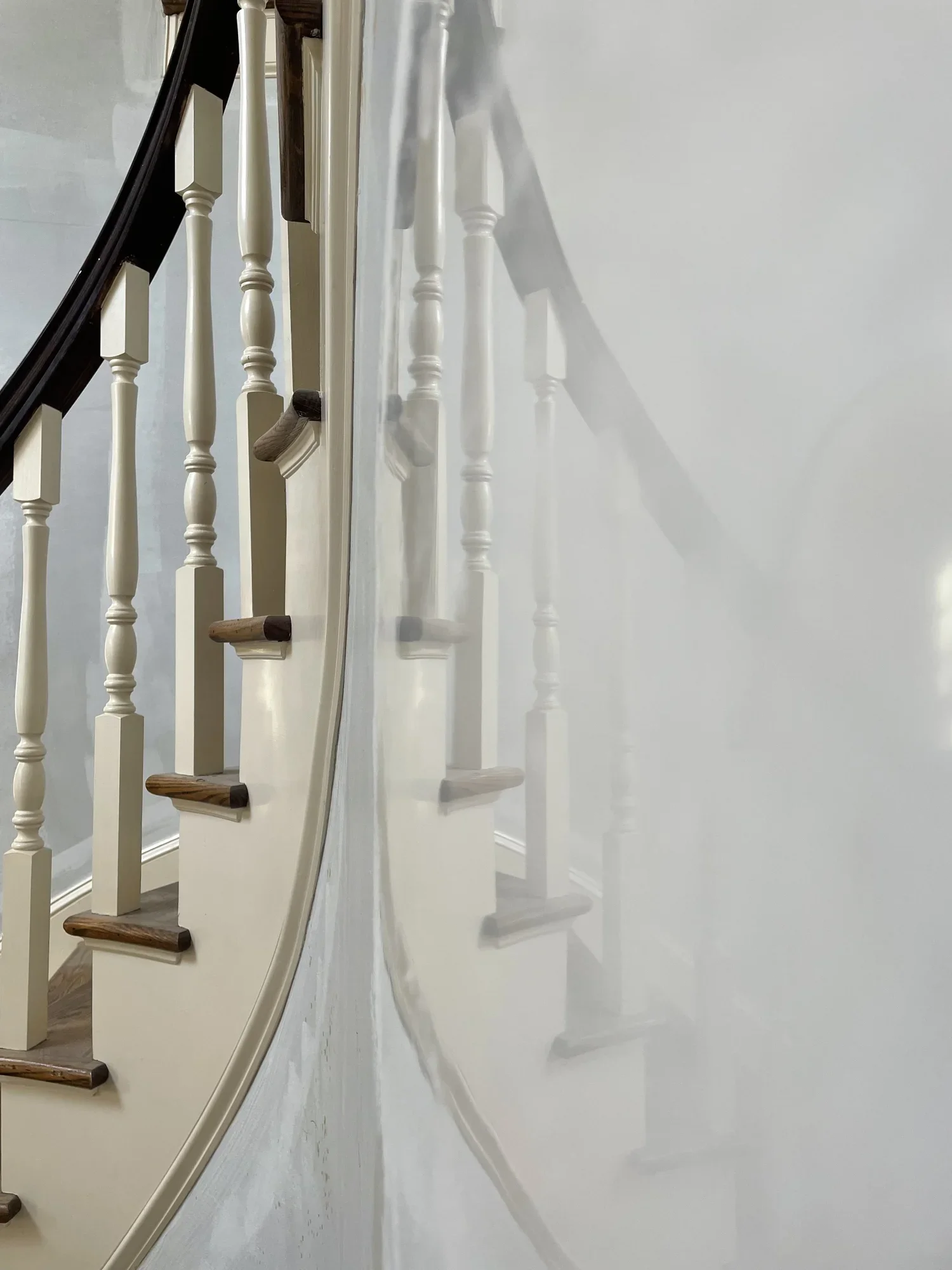
Some finishes are chosen simply for color. Venetian plaster is often chosen for the feeling it creates.
Unlike flat paint, which tends to absorb or reflect light uniformly, Venetian plaster creates subtle variation across the surface depending on the time of day and angle of the room. As light moves throughout the space, the finish reveals depth, movement, and dimension that can feel almost impossible to capture in a photograph. In more highly burnished applications, Venetian plaster can develop a soft luster that gives the surface an almost silvery quality — not glossy or reflective in the traditional sense, but luminous.
That interplay between texture and light is what gives Venetian plaster its distinct presence. The result is a room that feels richer, more layered, and more connected to the materials that shape it, making Venetian plaster one of the most sought-after finishes in high-end interiors. The finish carries a sense of craftsmanship that feels increasingly rare today, with each application developing its own subtle character through the hands of the artisan applying it.
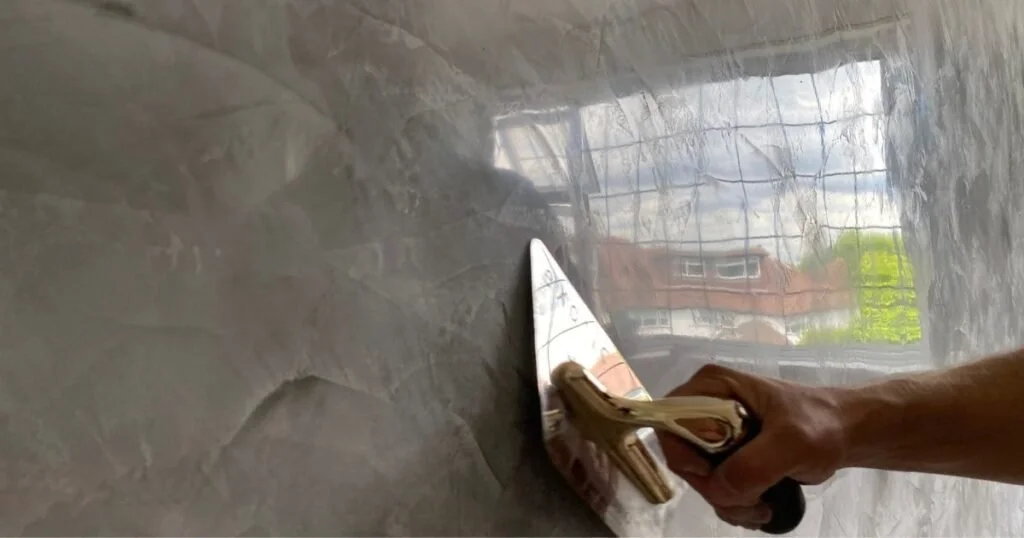
Venetian plaster isn't defined by color alone, but by the craftsmanship within the finish itself.
Our Perspective
One of the most interesting shifts we're seeing is the way Venetian plaster is being incorporated into contemporary homes rather than exclusively traditional ones. While many people associate the finish with old-world European interiors, today's applications often feel remarkably clean, refined, and understated.
We're seeing growing interest in Venetian plaster within powder baths, dining rooms, entryways, and feature walls where clients want to create depth and atmosphere without relying on bold colors or heavy patterns. It also pairs beautifully with many of today's most popular materials, including warm wood tones, natural stone, aged brass, and layered lighting.
Perhaps most notably, we're seeing a growing appreciation for finishes that introduce character, craftsmanship, and architectural interest without feeling overly decorative or trend-driven. Venetian plaster fits naturally into that niche, offering a finish that feels both elevated and enduring.
Ultimately, Venetian plaster offers more than texture or visual interest. It creates a sense of permanence, artistry, and atmosphere that continues to feel just as relevant today as it did centuries ago.
And that's what makes it timeless.