

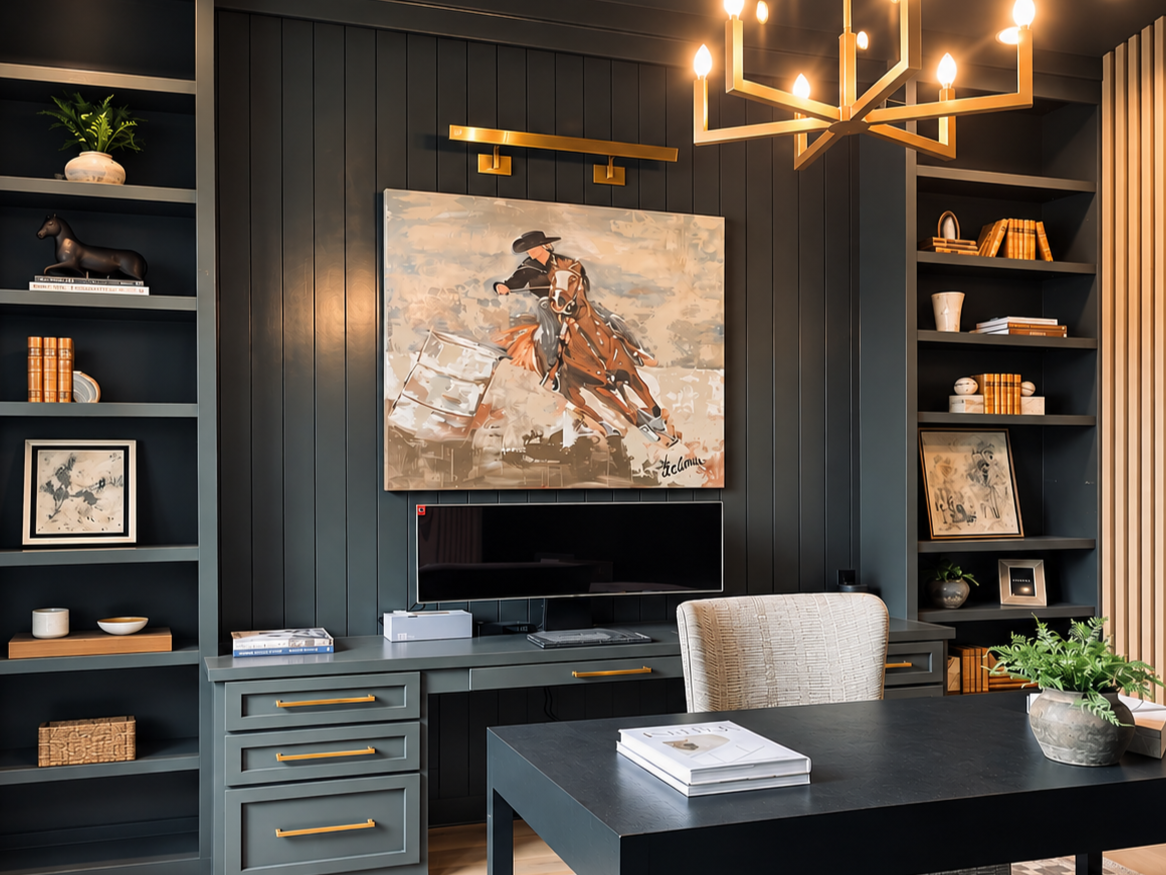
Not every piece of furniture is meant to stand apart from the room around it. A bookcase that follows the proportions of a wall. Cabinetry that frames a fireplace. A window seat that transforms an otherwise ordinary corner into a place worth spending time. These elements do more than furnish a room.
Built-ins occupy a unique place in interior design, blurring the line between the furniture we bring into our homes and the structure of the home itself. They offer an opportunity to introduce functionality in an aesthetic and appealing manner.
And while built-ins are certainly nothing new, their growing presence in thoughtfully designed interiors reflects a broader appreciation for spaces that feel personal, purposeful, and tailored to the way we live. It's a design direction we've seen consistently throughout 2026, and one that shows little indication of slowing as we look toward the coming year.
Built-ins are less a passing trend than an established part of interior design.
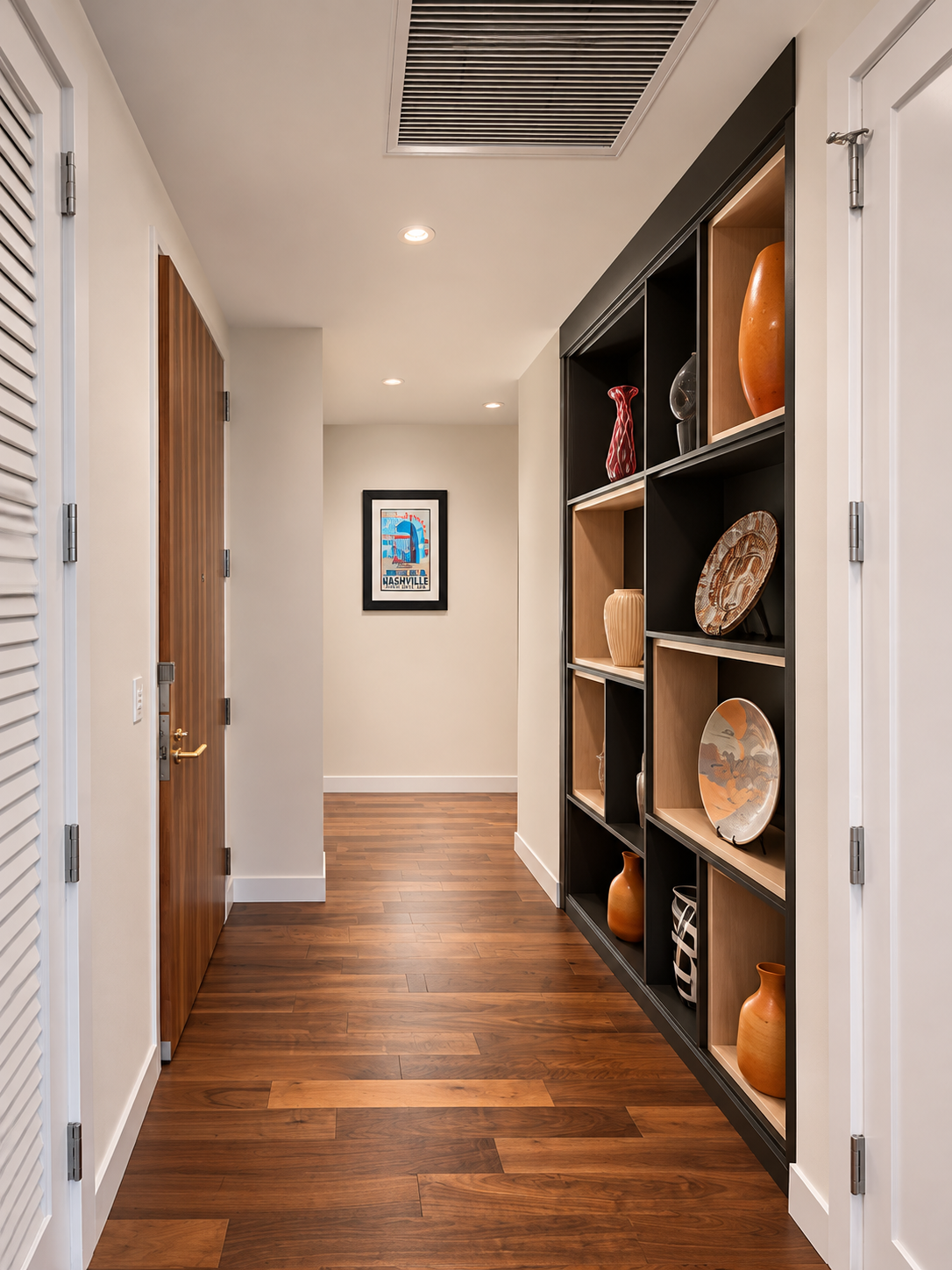
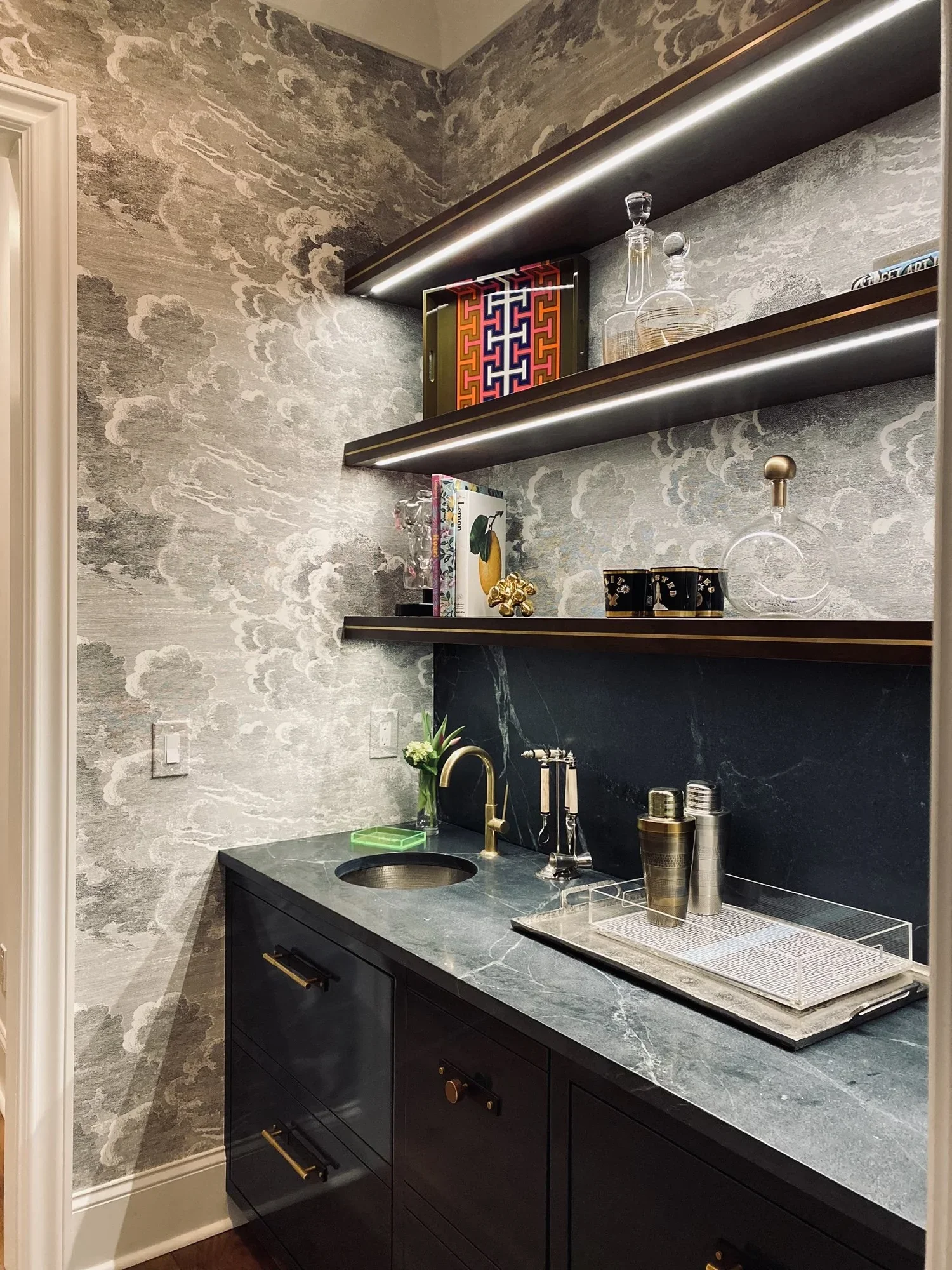
Built-ins have long been associated with familiar features of the home: shelving flanking a fireplace, cabinetry lining a home office, or a cozy bench tucked into a breakfast nook. These applications remain popular for good reason, bringing practical storage and functionality into spaces where they feel entirely at home. But increasingly, built-ins are finding their way into less conventional corners of the house. Custom bar cabinetry can transform an underutilized alcove into an entertaining space, while integrated headboards and bedside storage bring a tailored simplicity to bedrooms. Even narrow hallways and awkward niches can become opportunities for thoughtfully designed shelving, concealed storage, or decorative displays. The possibilities extend well beyond the traditional bookcase, allowing homeowners to make more intentional use of the spaces they already have.
Not every built-in needs to be designed from scratch. Ready-made cabinetry and shelving can offer a practical, budget-conscious solution, particularly in spaces where standard dimensions allow for a clean, well-integrated installation. But custom craftsmanship opens the door to an entirely different level of possibility.
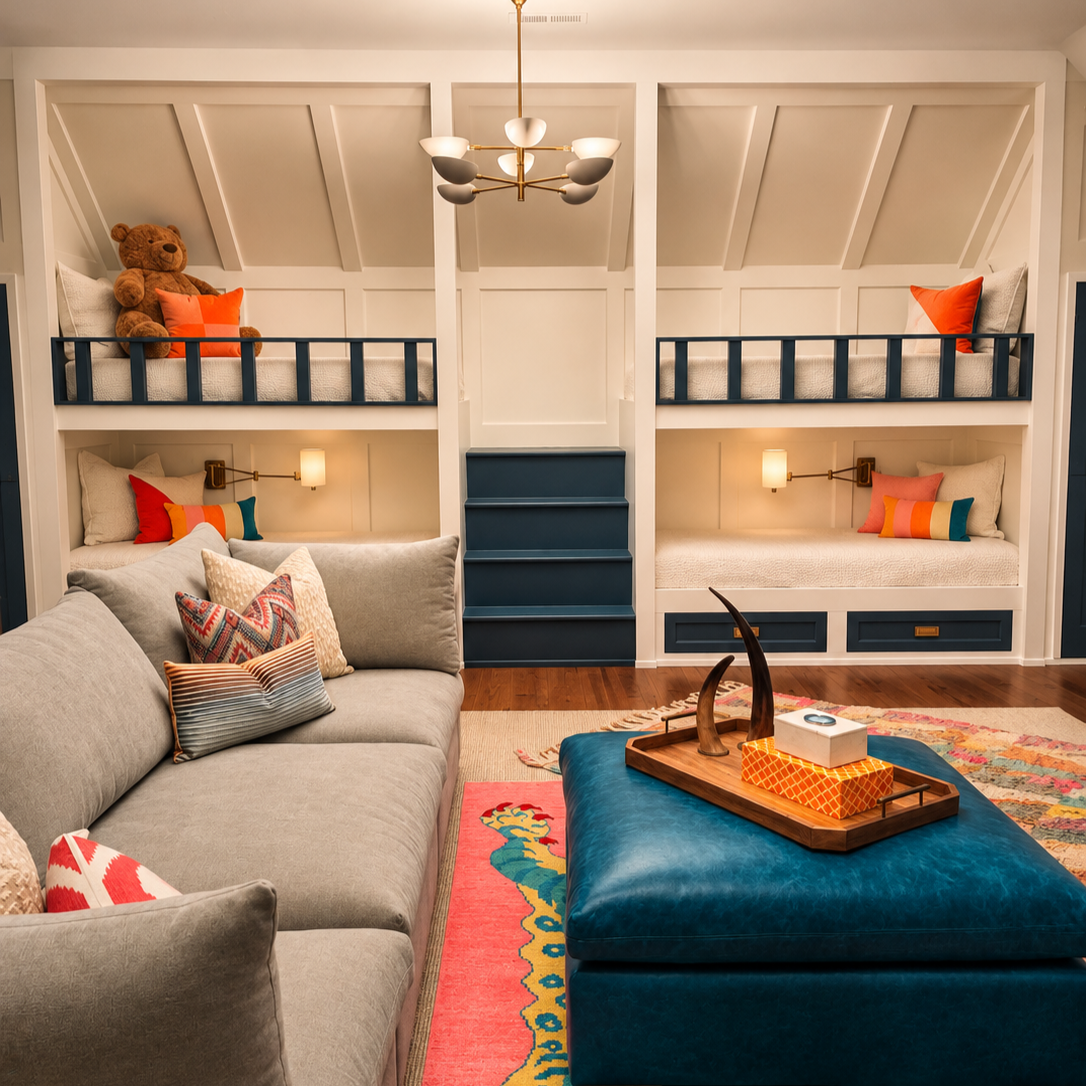
With bespoke millwork, every dimension, proportion, and detail can be considered in relation to the room itself. Cabinetry can follow unusual wall configurations, extend precisely from floor to ceiling, or incorporate architectural features that would be difficult to achieve with standard components. Brass inlays, intricately worked wood panels, distinctive door profiles, and carefully selected finishes can all become part of a design tailored to the home's character. Rather than working within the limitations of predetermined sizes and styles, custom built-ins allow the architecture, functionality, and personal preferences of the homeowner to inform every detail.
Our Perspective
Our experience with built-ins spans everything from full-scale closet renovations and intricately customized millwork to straightforward installations of ready-to-ship cabinetry. As a licensed general contractor, our work extends beyond the cabinetry itself, allowing us to manage the various elements of a project, from structural considerations and electrical modifications to the finishing details that bring everything together.
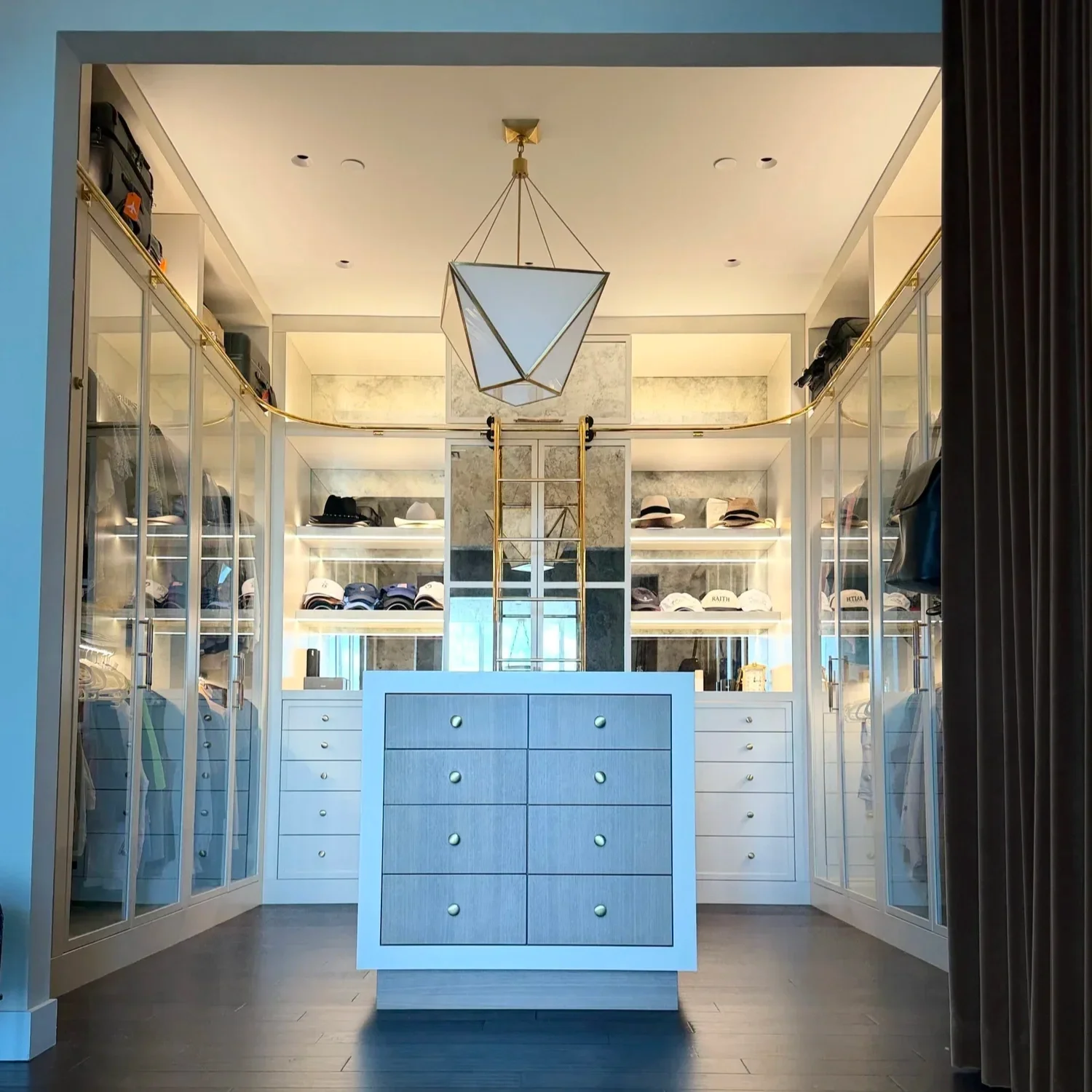
Every project calls for a different approach, but the same level of consideration.
We've worked on projects where every fraction of an inch mattered, and others where more modest means provided exactly what the space needed. In either case, the priority remains the same: understanding how the room will be used, how its different elements relate to one another, and what will make the finished space feel cohesive and functional. The complexity of the craftsmanship may vary, but the attention given to the people who live with it shouldn't.
Ultimately, the most successful built-ins are those that feel considered in every respect, from their proportions and finishes to the purpose they serve. Whether they blend quietly into the surrounding walls or become a defining feature of the room, they demonstrate how furniture and architecture can work together to make better use of the spaces we call home.